
Lakewood, Washington
Water Damage Restoration in Lakewood, WA
Our local water damage professionals extract standing water and check moisture in Lakewood floors, walls, and ceilings. Call with the address and tell the person answering whether a fixture leaked or water came from outside.
- Calls answered 24/7
- Water removal and drying
- Serving Lakewood and nearby
Lakewood Water Removal and Drying Services
For water damage, Lakewood callers get a plan covering the visible puddles and wet layers underneath. Describe soaked carpet, a leaking utility closet, or dripping drywall so extraction, drying, and material checks match the damage.
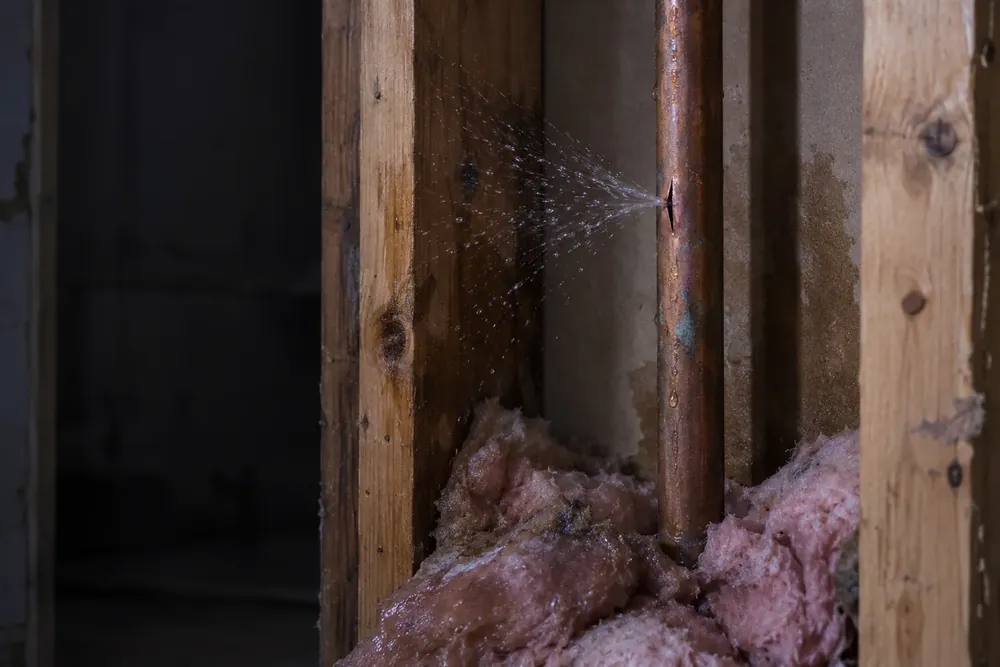
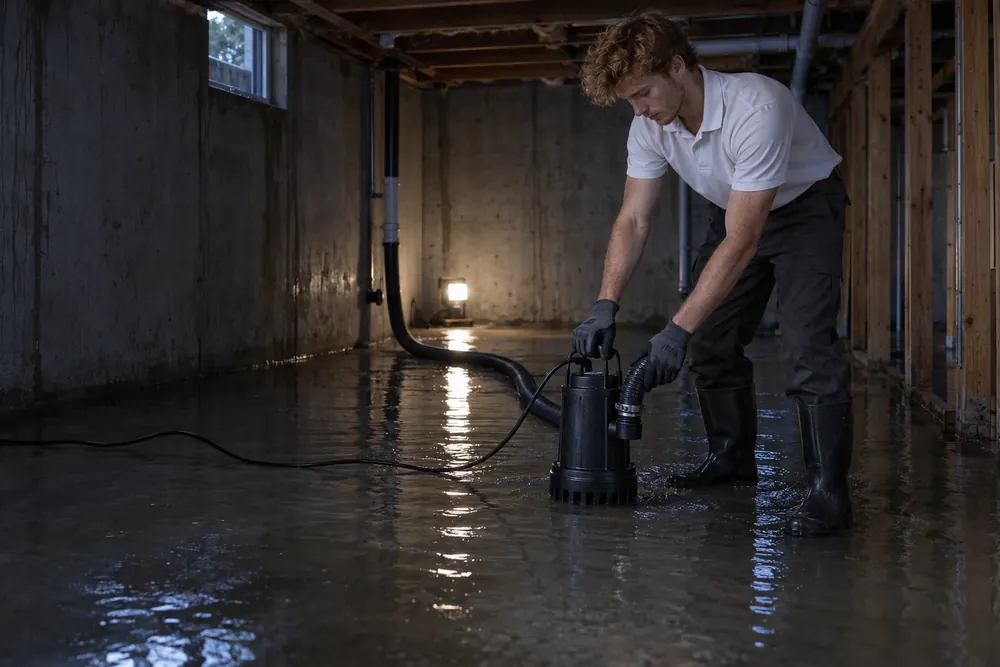
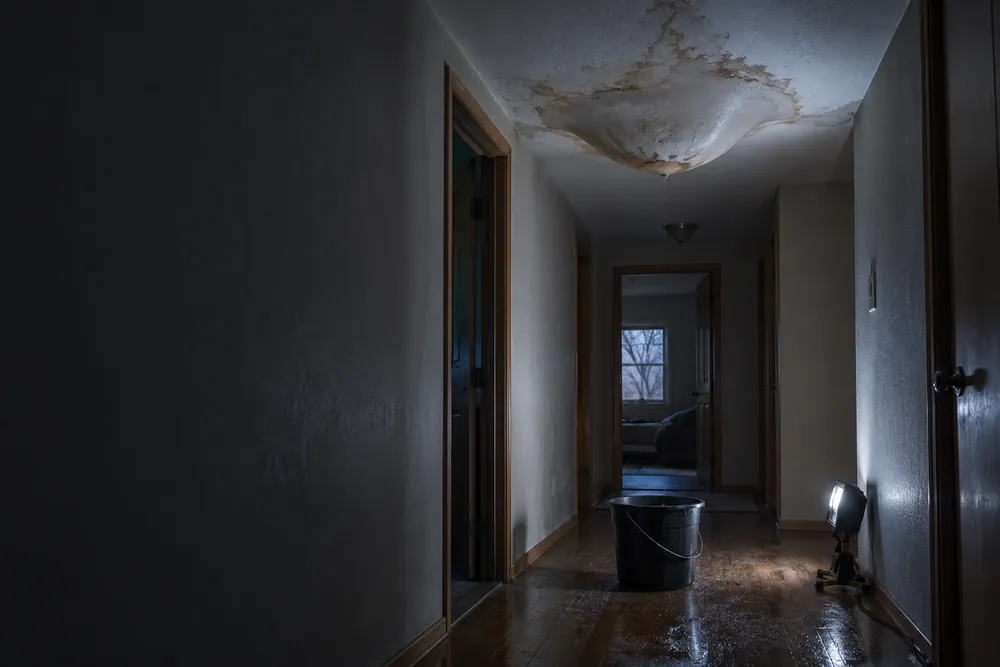
Where Lakewood Water Damage Starts
Water damage starts with indoor failures or water entering from outside. A loose appliance connection may soak a cabinet base. A leaking heater may send water beneath stored items before it reaches an open floor. Ask about water heater leak cleanup. Lakewood callers should mention utility-room damage and wet adjoining rooms.
A ceiling stain may come from upstairs plumbing or a roof leak. Tell us whether the drywall is dripping, soft, or sagging when you call about ceiling water damage repair in Lakewood. Keep the space beneath a bulge clear rather than poking a hole in it.
Lakewood identifies certain Springbrook and Hillside properties as potentially affected by Clover Creek during a 100-year flood. The city's flood information describes a risk scenario, not a current warning for every home. If you need flood cleanup, Lakewood callers should explain the route water took into the building. Your technician considers the water source before deciding what needs cleaning, drying, or removal. Report water beneath flooring even when the top surface looks nearly dry.
Say Where the Water Traveled
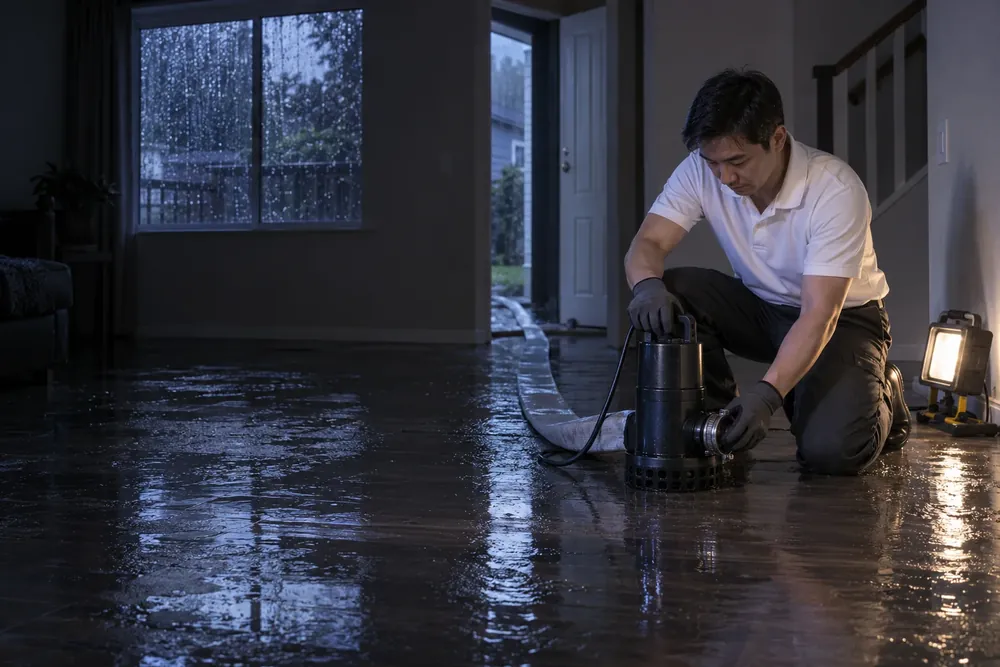
- Call about water extraction. Lakewood residents should name the first wet room and any adjoining spaces reached by water.
- Give the street address and entry details. If the home is in Springbrook, mention outside water near Clover Creek when that is what you observed.
- Your technician measures the affected area, checks moisture below surfaces, and reviews the proposed work and charges with you before starting.
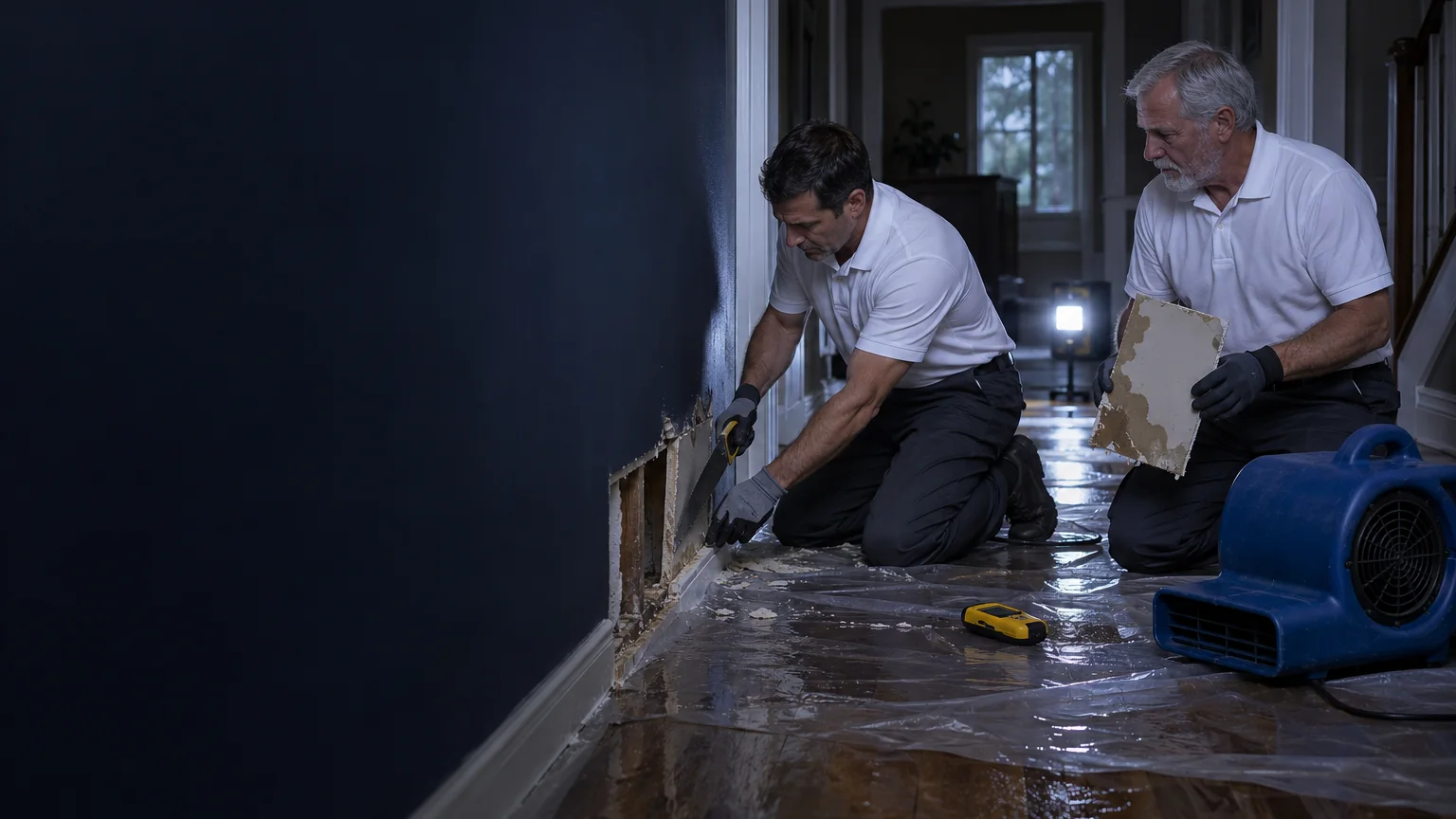
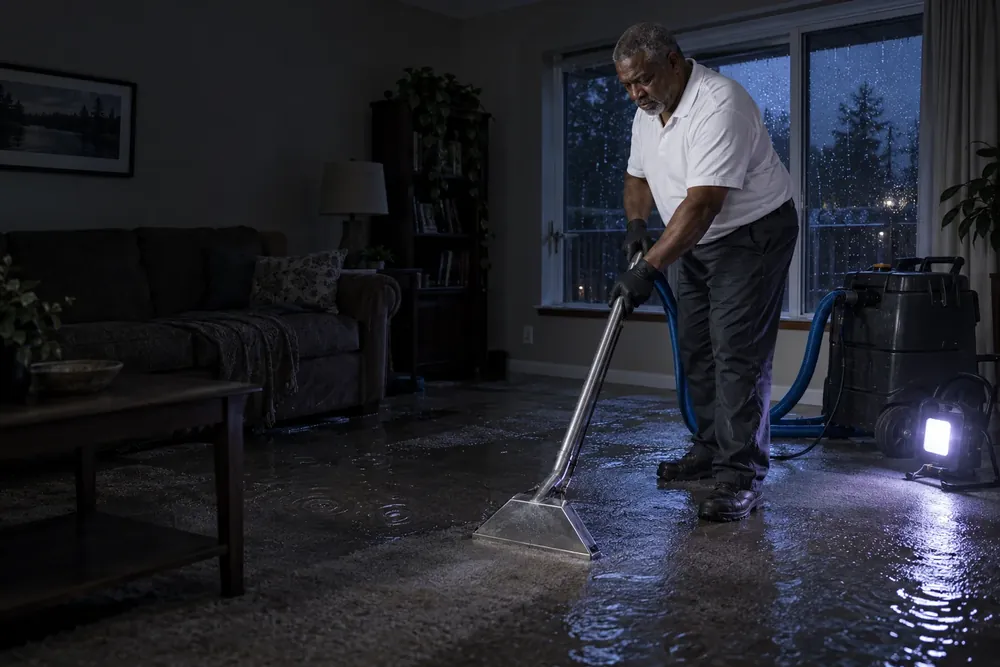
- Extraction removes accessible water. Drying equipment and follow-up readings address moisture left in materials, with damaged layers assessed for removal and separate repairs.
Lakewood Flooding and Rebuilding Contacts
Describe outside water near Clover Creek
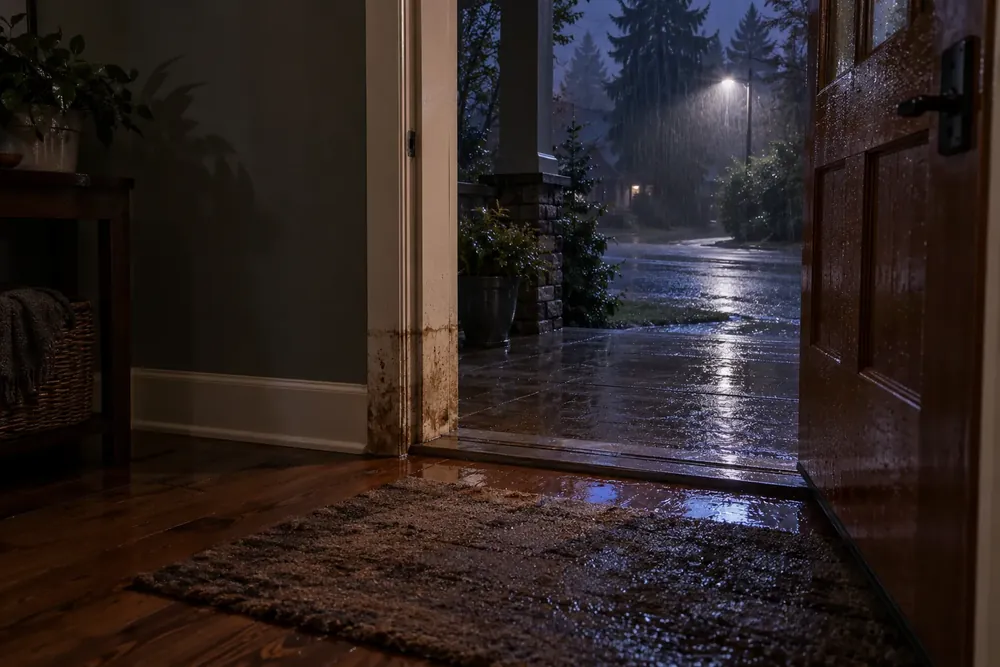
Lakewood's flood information identifies some Springbrook and Hillside properties as potentially exposed to Clover Creek flooding during a 100-year event. Call about water entering the building and explain whether it came through a door, beneath a wall, or up through a drain. The city's flooding page supplies the local context; the wet conditions at your address guide the cleanup assessment.
Don't treat a neighborhood name as proof of the source. A broken supply line may affect a home in the same area. Describe what you actually saw and when it started. Keep away from outdoor floodwater and wet electrical areas while your technician evaluates safe access inside.
Discuss rebuilding with the permit office
Lakewood Planning and Public Works handles building permits and inspections. Its department page lists 253-512-2261 for inquiries and directs permit applications to the Online Permit Center. The written scope for flood damage repair in Lakewood should distinguish the drying work from proposed rebuilding.
Call for water removal while those repair details are being worked out. Discuss wet framing, floor layers, and wall openings with your technician. Have any permit requirements addressed before the affected rebuilding starts. Retain photos of exposed damage and the moisture records before repairs cover those areas, so the condition and scope remain documented.
Local sources
Neighborhoods We Serve in Lakewood
Lake City, Tillicum, Woodbrook, Oakbrook, and Springbrook appear in Lakewood's Neighborhood Connections program. Name your neighborhood during the call, along with the full street address. Explain which entrance leads to the wet room and whether water also reached a garage or utility space. Clear room and access details help focus the visit on the damage you need assessed.
Also serving near Lakewood:
Lakewood Cleanup and Drying Questions
Can I call overnight about water damage in Lakewood?
Yes, Lakewood water damage calls are answered 24/7. Say whether water is still flowing, where it has traveled, and whether anyone is near a wet electrical area. You don't need to wait for daylight to report soaked rooms. If you can safely reach an indoor shutoff valve, stop the supply while calling about cleanup.
How much does water damage remediation cost?
The cost reflects the size of the wet area, contamination, drying access, and materials requiring removal. Ask about wet carpet water removal. Lakewood, WA, callers should mention wet padding or flooring beneath the carpet. Your technician describes the proposed work and its price before starting. A repair scope should also distinguish drying charges from later reconstruction.
How long does restoration take after water damage?
Restoration takes as long as the affected layers need to dry, plus any required repair work. A surface that feels dry doesn't show the condition of insulation or a subfloor. Mention wet floor insulation or water returning below the house on a call about crawl space water removal in Lakewood. Repeated moisture checks guide progress.
What does restoration include, and when is a plumber needed?
Restoration includes assessing wet materials, extracting water, drying, and identifying damaged layers; a plumber handles the failed plumbing. Call about both an active leak and the rooms it soaked. Water removal won't repair a broken pipe. Your technician explains the cleanup sequence and whether the damage needs separate plumbing or rebuilding work.
What records document Lakewood water damage for insurance?
Photos, moisture measurements, a dated work scope, and invoices document the water damage and cleanup. Record when the problem first appeared and describe the source only if you know it. Ask for notes on materials removed and drying progress. Keep the records for your Lakewood property together; coverage decisions belong to your insurer.
Call now if your Lakewood floors or ceilings are wet, and describe the leak, the room, and any spreading water.
Call now(253) 330-8040