Start with the room and address
The call starts with where the water is and the address where you need water damage service. Say the kitchen floor is wet, a pipe is dripping or the ceiling has a spreading stain. Plain descriptions are enough. You do not need to identify the failed part or measure the room to begin.
Share how long you have noticed the water and whether it is still coming in. A street address, unit number and callback number help keep the visit details clear. If you rent, mention the landlord or maintenance contact during the conversation. Those details help with access and repair decisions.
Explain any immediate hazard
Water near electrical equipment, sewage or a sagging ceiling changes how the affected space should be approached. Describe the hazard from a safe place. Keep people and pets outside the wet area. Tell the person answering if the water valve is unsafe to reach; use it to stop the flow only when access is safe. Leave a room where the ceiling is bulging or falling.
Nobody needs to step into standing water to get a better description. Photos are optional. Share them when they show the problem safely, and say when you cannot see the source.
Set the visit details
The call connects you with a local water damage professional who sets the visit time with you. Explain entry instructions and name the person who will meet your technician. Mention a locked utility room, a shared hallway or a crawl space hatch during that discussion. Access details help the inspection reach the affected materials.
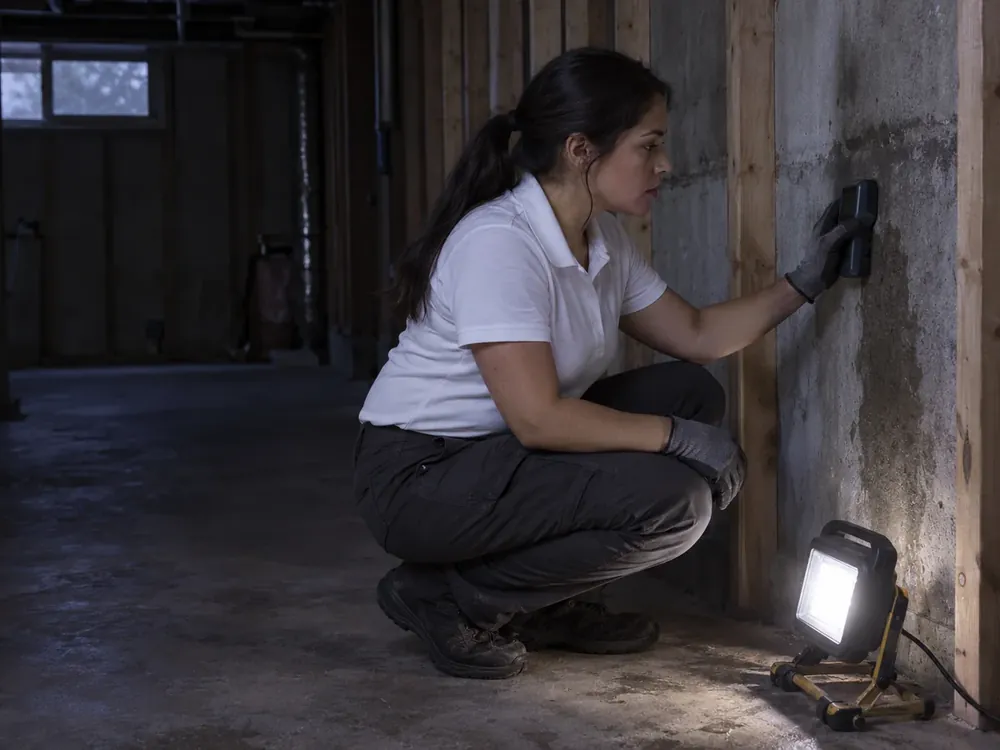
Your technician explains the inspection before beginning. That inspection follows the water through floors, walls and nearby rooms. Moisture readings help find damp materials beyond the visible puddle. Describe repairs already underway so the water source and the cleanup are discussed together.
Review the work and price
Your technician explains the proposed extraction, drying work and price before any work starts. Ask which rooms are included and how repeat moisture checks fit into the scope. The written plan should identify material removal and separate repairs where those are needed.
Depth of moisture, contamination, layered flooring and access all affect the work. A plumbing repair stops a leak; drying addresses water already inside the structure. Discuss both needs without assuming one replaces the other. If the inspection reveals additional affected material, review the change in scope and price before that work proceeds.
Follow the drying plan
Drying proceeds through water extraction, equipment placement and checks of affected materials. Your technician tells you which areas to keep clear and how the equipment should run. Ask about noise, room access and any items that need moving during the visit.
Follow-up readings guide adjustments and the decision to end drying. A dry-looking floor alone does not establish that moisture beneath it is gone. Discuss the material condition and any replacement work before the room is put back together.
Keep the records together
Photos, moisture readings, the written scope and invoices provide documentation for insurance. Ask your technician to record the affected rooms and drying progress. Keep the records with any relevant plumbing or maintenance paperwork. The insurance documents guide explains what those records describe. Call with the wet room you see now; paperwork is part of the conversation as work progresses.