
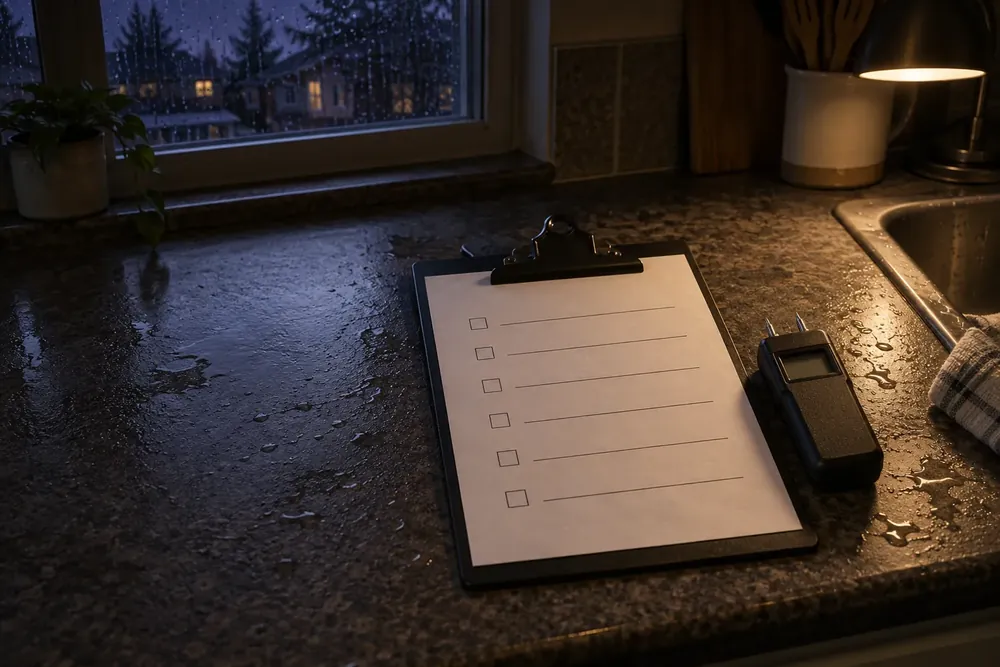
Call now and describe the leak, the wet rooms and when you noticed the water. A useful estimate starts with those details and an inspection of the affected materials. You don't need room measurements or a finished damage list to make the call.
How much does water damage repair cost?
The cost depends on how far the water spread, what absorbed it and how much cleanup, drying and rebuilding the rooms need. A puddle on an accessible surface calls for a different scope from water trapped inside a wall or beneath several flooring layers.
Start with the work included in the estimate. Ask whether the water damage restoration price covers extraction, cleaning, material removal, equipment use and moisture checks. Ask whether repairs appear in the same scope or a separate one. A total without those details leaves you guessing what you're buying.
Match the scope to the water and materials
The water source and condition of the wet materials determine the cleanup approach. Water category describes contamination, rather than the depth of a puddle. Water from a supply pipe needs a different assessment from sewage or outdoor floodwater. Say where the water came from if you know; don't touch or sample it to find out.
Square footage matters because a wider wet area means more surfaces to inspect and treat. The visible puddle doesn't necessarily show the full footprint. Your technician checks adjoining materials and records moisture where water has traveled.
Materials change the work, too. Wet carpet padding, insulation, drywall and subfloor layers need separate decisions about drying or removal. Time matters because water left in place may spread farther into those layers. More drying days also mean more equipment use and monitoring.
Keep ceiling, basement and floor work separate
Each damaged area needs its own description of removal, drying and repair. Compare ceiling water damage repair cost by looking at the affected ceiling area, access above it and the finish work included. Repairing the leak source should also be identified separately from restoring the ceiling.
Standing water depth, stair access and wet stored items all affect basement flood cleanup cost. Ask how debris removal and access to wet framing are counted. Don't assume pumping out the visible water completes the job.
Subfloor drying and the amount of flooring replaced belong in the water damage floor repair cost. Ask whether the scope includes lifting floor coverings, checking the layers underneath and preparing the surface for replacement.
Read the written scope with your technician
The written scope should connect each charge to a room, material or task. Your technician walks through the proposed work and its price before work begins. That explanation helps you understand why drying a wall cavity or removing soaked padding appears on the estimate.
Use these questions while reviewing the paperwork:
- Which rooms and material quantities are included?
- What will be cleaned, dried or removed, and why?
- How are equipment days and monitoring visits charged?
- What drying results will be documented?
- Are plumbing repairs, reconstruction and disposal included or separate?
- How will additional work be explained and authorized?
Ask for the water damage cost to fix the affected rooms, with drying and repairs listed separately. Check whether the water damage repair price includes finishing work such as paint, trim and replacement flooring. Keep the written scope, photos and moisture readings together as documentation for insurance.
Understand changes before approving more work
Additional damage found beneath a floor or behind a wall may change the scope. Ask your technician to describe the finding, record it and explain the added work and charge before you authorize it. An estimate should distinguish measured damage from assumptions about concealed areas.
For the next step, contact Raven Water Removal and say which rooms are wet. Use the drying time guide to understand why equipment days depend on measured progress.