
Kent · Auburn · Renton · Federal Way · Puyallup
Wall & Drywall Water Damage in Kent, WA
Our local water damage professionals in Kent remove damaged drywall, expose wet wall cavities and dry the framing before repairs proceed. Call and say which wall is wet, whether the paint is bubbling and when you first noticed the leak.
- Calls answered 24/7
- Water removal and drying
- Serving Kent and nearby
Check the wall from surface to framing
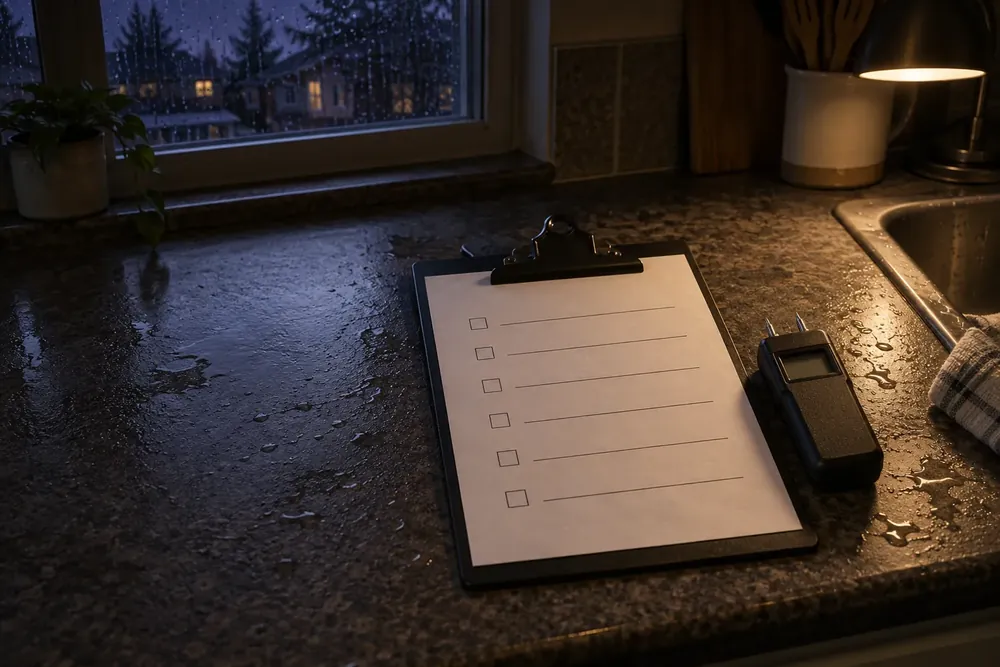
- Moisture checks. Your technician uses moisture meters to trace wet drywall beyond the visible stain and record the affected area.
- Water wicking. Drywall absorbs water upward from a wet floor, so damage may extend above the original waterline.
- Baseboard access. Removing affected trim exposes the bottom edge of the wall and helps locate moisture hidden behind the baseboards.
- Drying in place. Drywall exposed to clean water may stay when it isn't swollen, its seams remain intact and the cavity can dry.
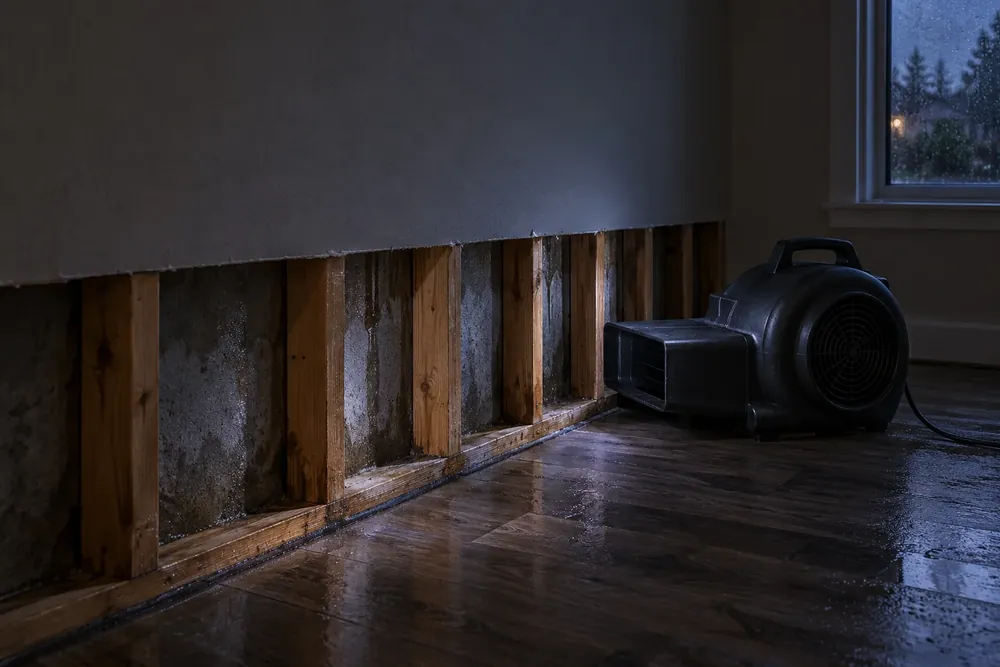
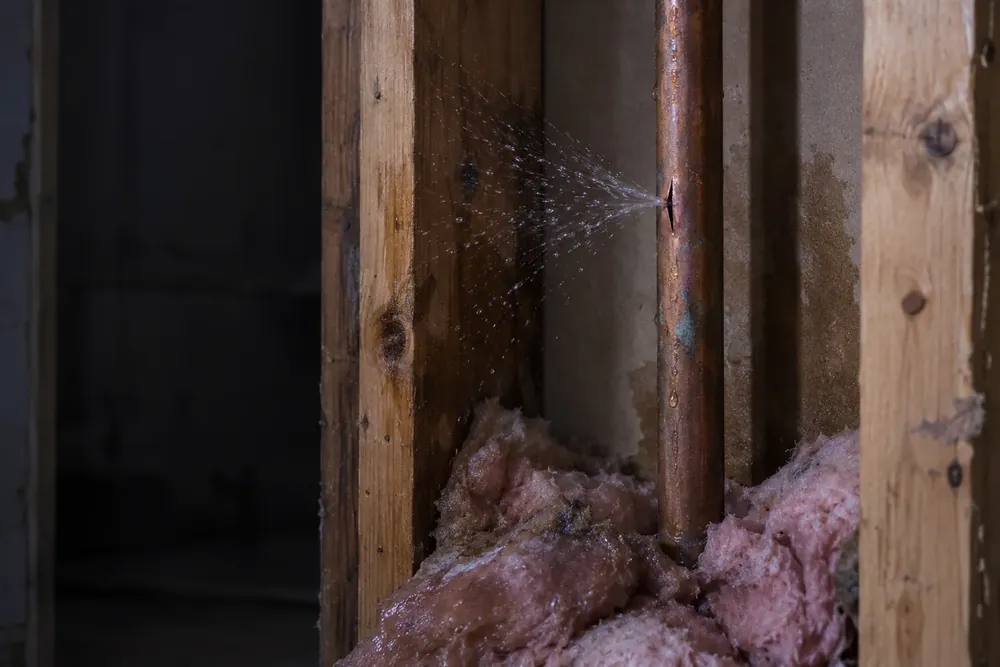
- Flood cuts. A straight cut removes the damaged lower section when removal is needed, opening access to wet insulation and framing.
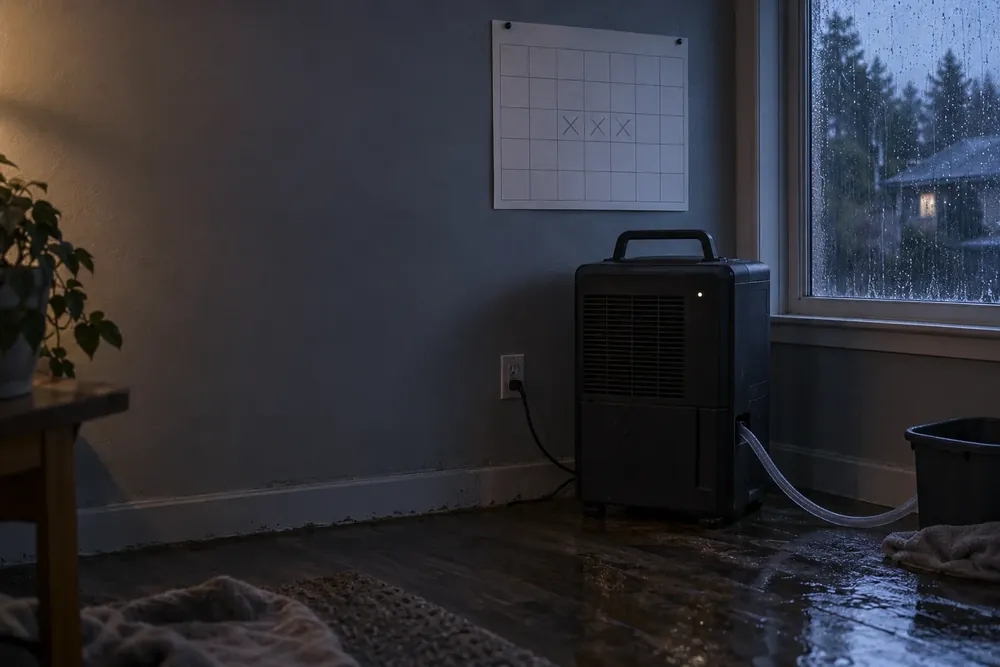
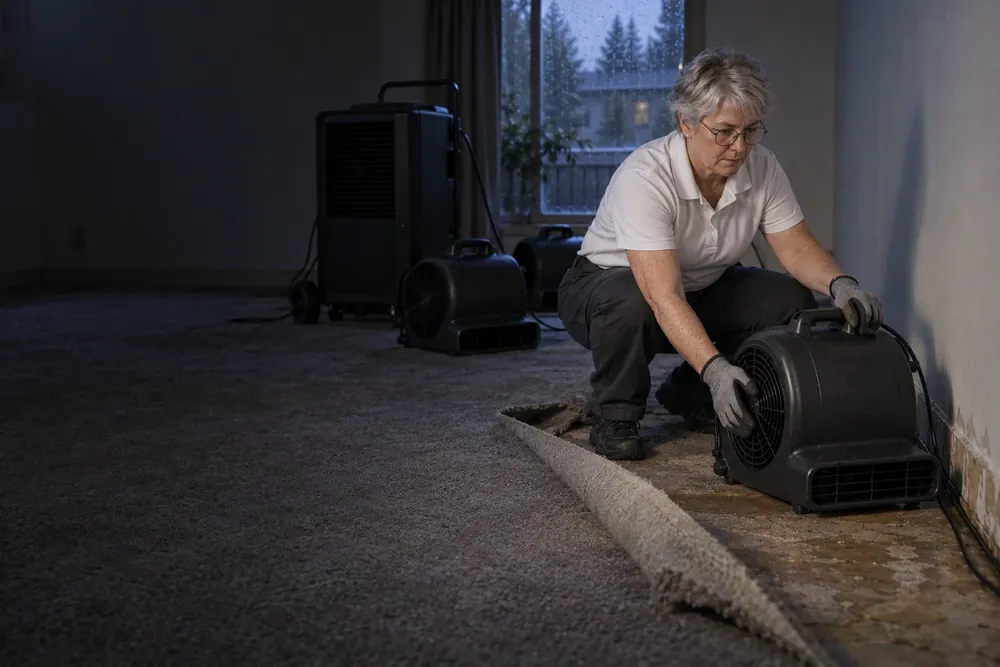
- Cavity drying. Airflow and dehumidification address hidden moisture inside the wall; repeat readings guide when the opening is ready for repair.
Call when the wall changes
- Call about water damage on walls when paint starts bubbling or peeling after a leak.
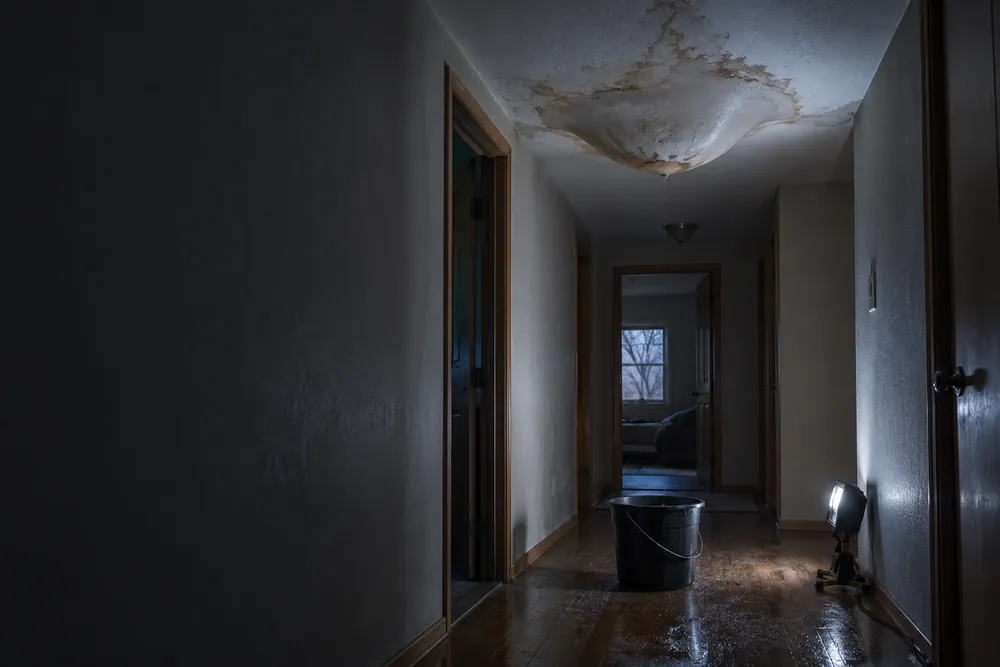
- Report drywall that looks swollen, bowed or crumbly near the floor.
- Mention baseboards that have pulled away or changed shape beside wet flooring.
- Say if a stain keeps spreading even after the visible water stops.
- Call about a damp smell from a wall beside a leaking pipe or appliance.
Start with the wet room
- Call and describe the room, the wet wall and any active leak. Share what you see from a dry, safe spot.
- Your technician checks the surface and nearby materials with moisture meters. For water damage repair, wall cavities also need attention where moisture has spread.
- Damaged sections and wet insulation are removed where necessary. Drying equipment treats exposed framing and any drywall suitable for drying in place.
- Moisture readings are checked again before the wall is closed. The repair scope identifies replacement drywall, trim and finish work needed after drying.
What changes the wall repair price in Kent
Water damage drywall repair cost depends on how far moisture has traveled, what needs removal and how much drying is required. Wet insulation, cabinet access, damaged trim and matching the wall finish add separate tasks.
One of our local restoration partners explains the proposed wall work and price before any work begins. Ask which items cover drying and which cover rebuilding the wall. After water damage, wall repair may involve more than patching the visible stain. Read the restoration cost guide for the factors that shape a written scope.
Get a clear plan for the wall
- Calls answered 24/7. Describe the stain or spreading moisture when you notice it, including overnight.
- Local attention. Your technician handles wall moisture checks in the Kent area and explains the next stage of work.
- Scope explained. You hear what needs drying, what needs removal and how the price relates to those tasks before work starts.
- A record of damage. Photos, moisture readings and a written scope provide documentation for insurance and your own records.
Stay clear of wet wiring
Call from a dry area and keep people away from wet outlets, switches and damaged wall sections. Shut off an active water leak only if the valve is safely reachable.
Follow CDC electrical safety guidance: turn off power only from a dry, safe position. If reaching the panel means entering water, leave that task to an electrician.
Don't cut into the wall or aim a household fan at suspected sewage contamination. EPA drying guidance cautions against using fans until the water is known to be sanitary. Tell the person answering about any outlet, appliance or wiring near the leak.
Sources
Related water removal services
Areas we cover around Kent
Call about wet walls in Kent or Sumner; our local water damage professionals check the affected materials and explain the drying and repair work.
Questions about drying and repairing walls
After water damage, repair drywall or replace it?
Drywall may be dried in place after clean-water exposure when it has no swelling, its seams hold and the cavity can dry. Soft, swollen or contaminated material needs a different approach. Call about the affected wall. Your technician checks moisture and condition before explaining which sections need removal.
Can I paint over a water stain once the wall feels dry?
Wait until moisture checks show the wall and its hidden surfaces are dry before painting. A dry surface doesn't prove the cavity is ready to close or finish. Report whether the stain has returned. Your technician checks the affected materials and identifies any leak that still needs attention.
Why is the drywall wet above the floor's waterline?
Drywall draws water upward, so the damp area can reach higher than the water that stood on the floor. Trim may hide the lowest wet section. Describe the height of the stain during your call. Moisture readings help your technician trace the damage rather than relying on the visible mark.
Does a flood cut mean removing the whole wall?
A flood cut removes a lower strip of damaged drywall rather than automatically taking down the whole wall. The cut height follows the affected materials and access needed for drying. Your technician explains the proposed opening, whether insulation needs removal and what wall and baseboard repairs follow afterward.
What records should I keep for wet drywall?
Keep photos, moisture readings and the written scope together as documentation for insurance. Photograph visible damage only from a safe place, and save records of drying and repair work. Call even if you haven't taken pictures. Your technician records the affected materials and explains the findings from the wall inspection.
Call and describe the stained wall, the wet trim and any leak you still hear or see.
Call now(253) 330-8040