
Kent · Auburn · Renton · Federal Way · Puyallup
Water Heater Leak Water Damage in Kent, WA
Our local water damage professionals extract water and dry floors and walls after appliance and water heater leaks in Kent, WA. Call and say which appliance is leaking, where the water has spread and whether the supply is still running.
- Calls answered 24/7
- Water removal and drying
- Serving Kent and nearby
Follow the leak beyond the appliance
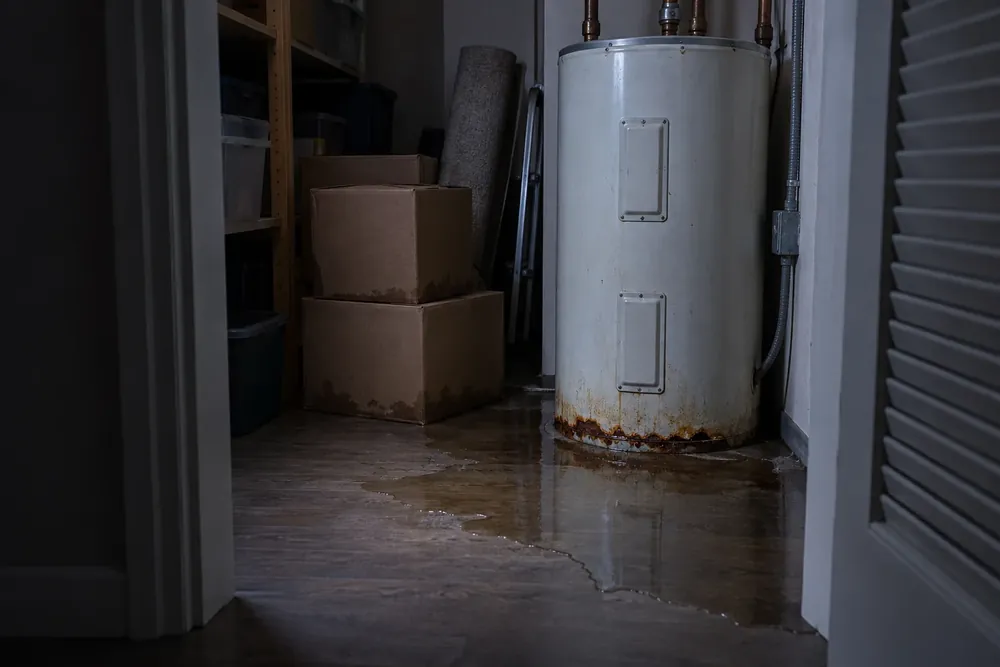
- Water heater surrounds. Your technician checks the floor and wall edges around a leaking tank in a closet or garage. Stored boxes and baseboards may hide where water has traveled.
- Washer hose damage. Water from a split supply hose or loose connection gets extracted from affected surfaces. The hose repair and the drying work need separate attention.
- Kitchen supply lines. Dishwasher and refrigerator leaks are traced into accessible cabinet bases and adjoining flooring. A small visible puddle may sit above a larger wet area.
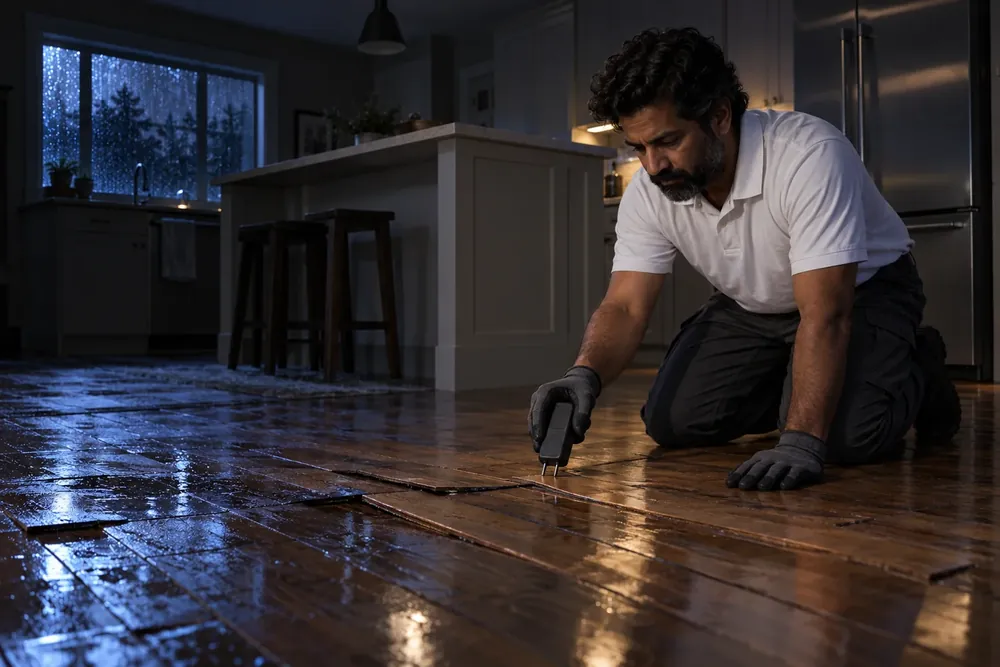
- Moisture beneath flooring. Readings help locate water beneath floor coverings and along wall bottoms. Slow leaks need checks beyond the appliance footprint before replacement materials are planned.
- Drying and material decisions. Your technician explains which wet materials remain in place for drying and which need removal. Progress checks follow the affected floor layers and wall areas.
Call about puddles and unexplained wet edges
- Call when water spreads from the heater closet or pools around the tank base.
- A washer hose spraying, dripping or leaving water behind the machine needs attention.
- Swelling at a cabinet base near the dishwasher may point to a hidden leak.
- A wet patch beneath the refrigerator deserves a supply-line and flooring check.
- Flooring that lifts or feels soft beyond the appliance suggests water has spread farther than the visible puddle.
Name the appliance and the wet room
- Call with the appliance type, the room and your Kent address. Share whether water is still flowing; shut off the supply only if the valve is safely accessible.
- Your technician checks the wet floor, cabinet bases and nearby walls. Moisture readings help define the drying area, while the appliance or plumbing repair is discussed separately.
- Extraction removes collected water, then drying addresses affected materials. Keep walkways clear of the water removal hose and electrical cords placed for the work.
- Repeat readings show how the floor and wall materials are drying. Your technician reviews remaining wet areas and needed replacements before the room is closed up again.
Hidden moisture changes the cleanup scope
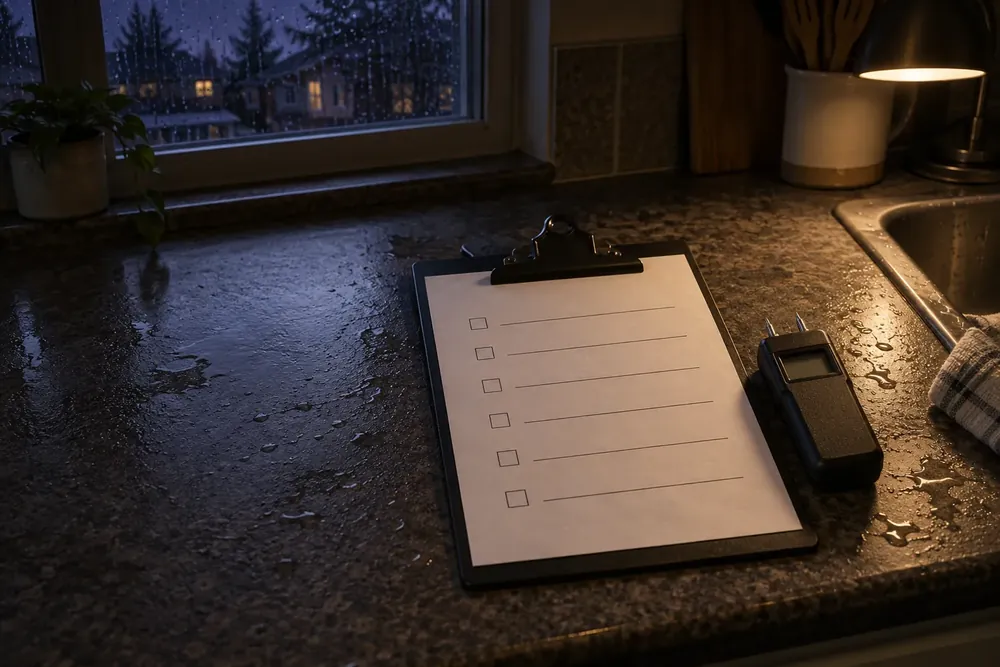
The cleanup price depends on how long the appliance leaked, which materials got wet and how far water traveled beneath the floor. Accessible garage concrete needs a different plan from moisture trapped under kitchen flooring or inside a cabinet base. Drying time and material removal also affect the scope.
Before extraction or drying begins, your technician reviews the work proposed for each affected area and explains the price. Appliance repair, tank replacement and rebuilding should be separated from cleanup. The restoration cost guide explains why a small puddle doesn't always mean a small drying job.
Talk through the leak and drying plan
- Call any time. Calls are answered 24/7, so describe an appliance leak when you discover the wet floor.
- A local technician. Your technician follows the moisture beyond the appliance and explains the affected materials in plain words.
- Work explained first. Review the cleanup scope and price before work starts, including drying and any proposed material removal.
- Records you keep. Photos, dated readings and a written scope record the damage and drying work for insurance documentation.
Keep photos and a written moisture record
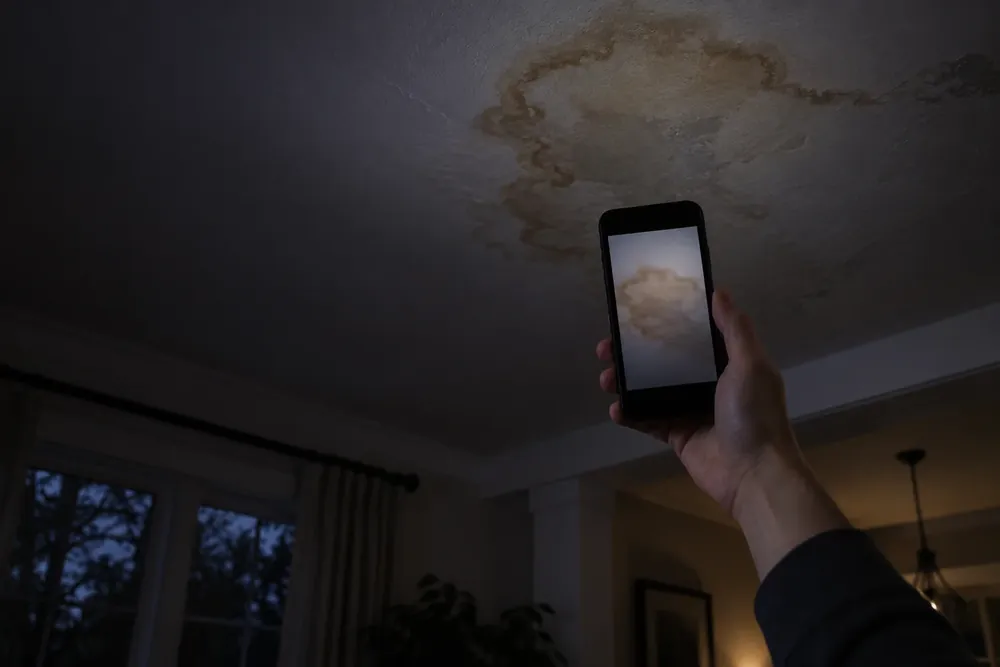
Photos, moisture readings and a written scope document the appliance leak and the affected rooms. Call about cleanup now; photos don't need to be finished first. Take pictures only from a safe position, including the appliance, visible water and nearby floor or wall damage.
Keep your technician's readings and the description of extraction, drying and proposed material replacement together. Date any observations about when you first noticed the leak. Read water damage and insurance documents for the records to save.
Keep clear of wet plugs and wiring
Keep away from wet plugs, cords and appliance controls. Call about the leak from a dry spot. Shut the water valve only if you can reach it safely, without crossing water or reaching beside wet wiring. Don't move a heavy tank or pull an appliance out to find a valve.
CDC guidance warns against handling electrical equipment while standing in water. Power shutoff belongs at a safely reachable, dry panel; use an electrician when access is wet. Washington Department of Health guidance says to evacuate if you smell gas and avoid operating electrical switches. Review the water damage safety steps for precautions that keep you clear of the affected room.
Related water removal services
Areas we cover around Kent
Call about a leaking appliance in Kent or Sumner; our local water damage professionals assess wet flooring, nearby cabinets and walls around the source.
Appliance Leak and Water Heater Questions
Does water heater removal fix the wet floor?
Removing a leaking water heater doesn't dry the surrounding floor or walls. Call about the water damage and describe the tank's location, including whether it sits in a closet or garage. Tank repair or replacement is a separate task. Your technician assesses collected water and moisture that has reached nearby materials.
Who checks water damage after a washing machine hose leaks?
Your technician checks the affected floor and adjoining materials after a washer hose leak. Tell the person who answers whether water ran into another room or through a downstairs ceiling. The failed hose needs repair as well. Moisture checks help establish where extraction ends and where drying or material removal is needed.
Can a small dishwasher leak damage flooring farther away?
A dishwasher leak may spread beneath flooring and cabinet bases beyond the visible wet spot. Call if a cabinet edge swells, the floor lifts or a puddle keeps returning. Share how long you've noticed the change. Your technician checks accessible adjoining areas and explains the scope based on the materials and moisture found.
Should I wait until the appliance is repaired to call?
Call about the wet room while the appliance repair is being arranged. Say whether the leak is active and which surfaces are affected. Shut off its water supply only if that is safe. The repair stops the source; extraction and drying address water already left in flooring, cabinets or walls around the appliance.
Why is the floor still damp after I wipe up the puddle?
Wiping up surface water leaves moisture that has moved into floor layers, wall edges or nearby cabinet materials. Call and describe any soft spots or returning dampness without lifting flooring yourself. Your technician uses readings to assess the affected area. Drying progress comes from those checks, rather than the appearance of the top surface alone.
Call about the leaking appliance and tell the person who answers where the puddle starts and which room edges are wet.
Call now(253) 330-8040